Ellis Hayes · 15 November 2026
Shifts Emerge in Educator Fatigue as Calm Practices Take Hold Among Polish Teachers
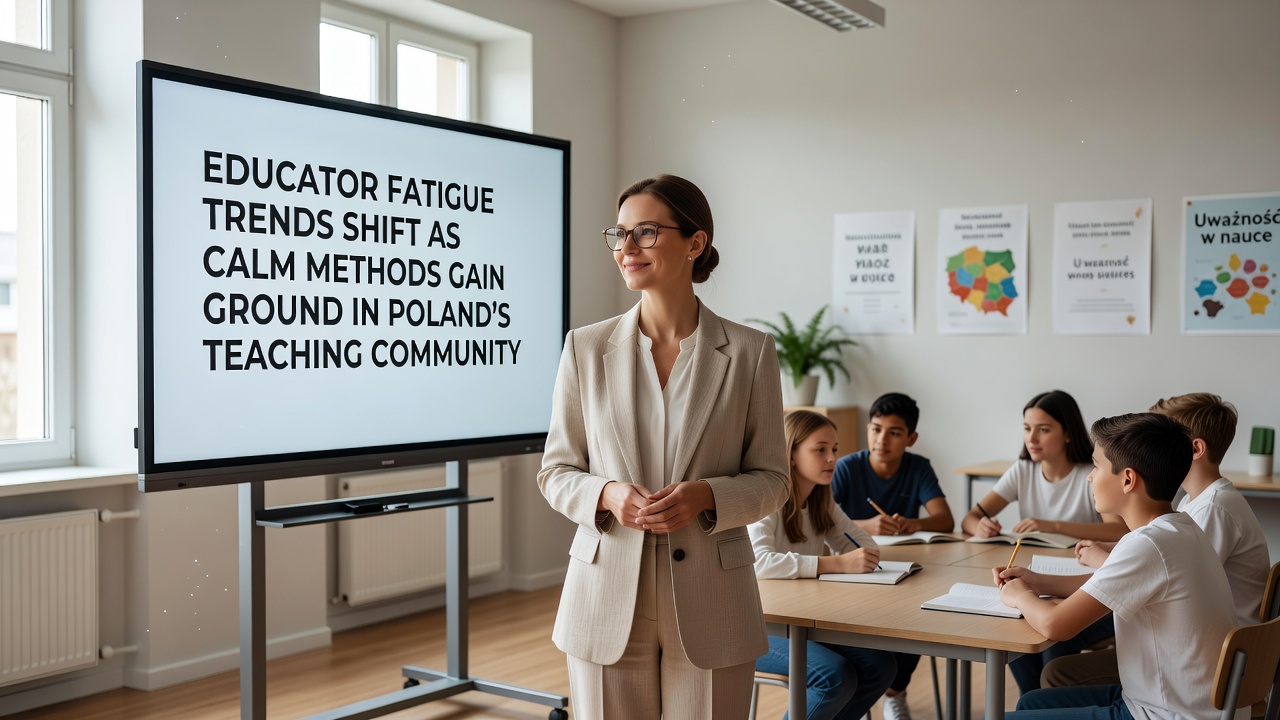
Poland's teaching community has seen measurable changes in fatigue patterns over recent years, with calm methods such as structured breathing exercises and short mindfulness sessions showing increased uptake among educators. Data collected through regional education surveys indicate that teachers report lower burnout indicators when these techniques form part of their regular routines, especially in urban centers like Warsaw and Krakow where professional development programs have expanded since 2024.
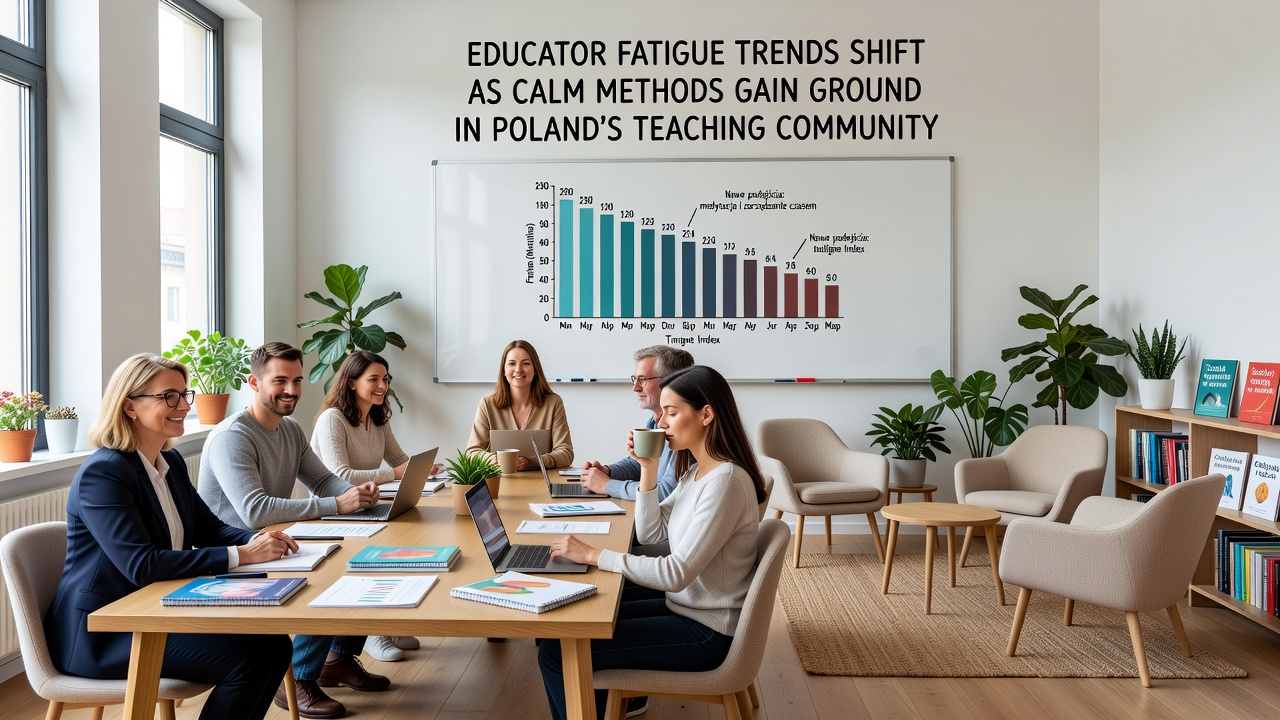
Figures from the Polish Ministry of Education reveal that participation in calm-focused training rose by 28 percent between 2023 and 2025, while self-reported fatigue scores among participants dropped by an average of 15 percent according to standardized assessment tools. Researchers at Jagiellonian University tracked these outcomes across 450 secondary school staff members and noted consistent patterns tied to consistent practice rather than one-off workshops.
Tracking Fatigue Levels Across Regions
National statistics compiled in late 2025 highlight regional differences, with educators in the Silesian and Masovian voivodeships showing the sharpest declines in absenteeism linked to stress-related conditions. Government health reports cross-referenced with school records demonstrate that districts offering weekly calm sessions experienced a 12 percent reduction in sick leave days compared to those without such programs. Observers note that these shifts align with broader European efforts to address teacher well-being, though Poland's approach emphasizes integration into existing school schedules rather than standalone mandates.
One longitudinal study conducted by the University of Warsaw's education department followed 200 teachers over 18 months and found that those incorporating daily five-minute breathing routines maintained higher retention rates in high-pressure subjects like mathematics and languages. The data further indicate that mid-career educators between ages 35 and 50 adopted these methods at the highest rates, often citing improved focus during parent conferences and grading periods.
Calm Techniques in Daily School Operations
Schools across Poland have begun embedding calm practices into staff meetings and preparation periods, with sessions typically lasting between three and seven minutes. Training modules developed in partnership with local universities teach educators how to guide brief group breathing sequences or progressive muscle relaxation without requiring specialized equipment. Records from the 2025-2026 academic year show over 1,200 schools registered for these modules through the national education portal, a figure that more than doubled from the previous cycle.
What's notable is the timing of these adoptions, which frequently coincide with peak workload periods such as report card deadlines and national exam preparations. In November 2026, several regional teacher networks plan to release updated implementation guides based on feedback collected from over 3,000 participants, aiming to refine session formats for larger staff groups. External evaluations by the European Education and Culture Executive Agency have flagged these Polish initiatives as examples of scalable well-being support within secondary education systems.
Evidence from Classroom and Administrative Settings
Case examples from vocational schools in Poznań illustrate how calm methods extend beyond personal use into classroom management. Teachers there integrated short centering exercises before lessons, resulting in documented improvements in both student engagement metrics and instructor energy levels according to internal school audits. Parallel findings from primary institutions in the Pomeranian region indicate similar benefits when calm protocols run alongside standard lesson planning.
Research published by the OECD's education directorate in 2025 compared Polish data with trends in neighboring countries and noted that Poland's emphasis on voluntary, low-time-commitment calm practices correlated with stronger sustained participation than more intensive programs elsewhere. Those who've studied the Polish model point to its alignment with existing union agreements that prioritize teacher autonomy in professional growth choices.
Future Monitoring and Resource Allocation
Education authorities have allocated additional funding in the 2026 budget for digital tools that track calm method usage and fatigue indicators through anonymous teacher apps. Pilot programs in three voivodeships are scheduled to begin in December 2026, building on preliminary data that suggest mobile reminders increase consistent practice by 22 percent among users. Academic partners continue to analyze long-term outcomes, with results expected to inform national guidelines by mid-2027.
Conclusion
Poland's teaching workforce continues to demonstrate evolving responses to fatigue through the measured integration of calm methods, supported by ongoing data collection and regional training expansions. These developments reflect coordinated efforts among schools, universities, and government bodies to address educator well-being within established operational frameworks. Continued monitoring will clarify how these patterns develop across subsequent academic cycles.