
Mara Keller · 1 November 2026
Polish University Research Links Breathing Exercises to Higher Student Retention
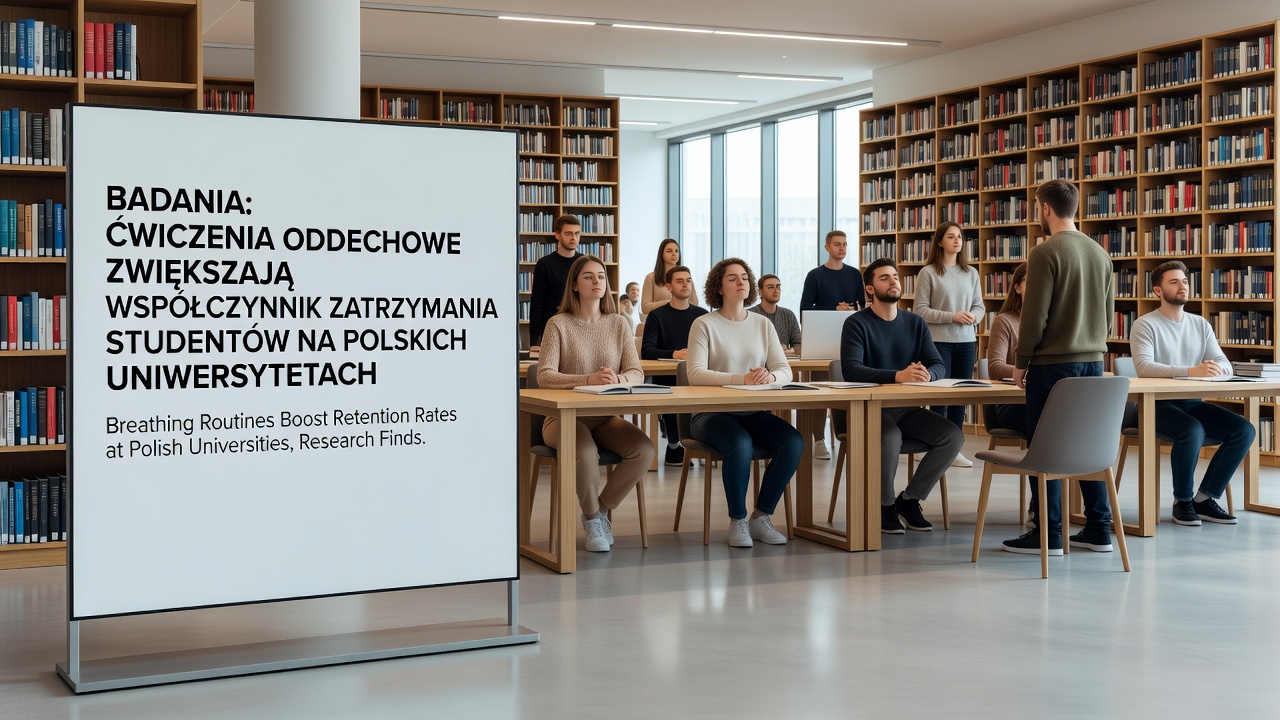
Researchers at several Polish universities have documented measurable gains in student retention after implementing structured breathing routines as part of academic support programs, with data collected through 2026 showing consistent patterns across multiple institutions. The work focuses on how controlled breathing sessions integrated into daily schedules help students manage stress loads that often lead to dropout decisions, and findings released in November 2026 highlight retention improvements ranging from eight to fifteen percent in participating cohorts compared to control groups.
Study Design and Key Data Points
Teams from institutions including the University of Warsaw and Jagiellonian University tracked over four thousand undergraduates across three academic years, measuring enrollment continuity alongside self-reported stress indicators and physiological markers such as heart rate variability. Participants attended brief guided sessions three times weekly that emphasized diaphragmatic breathing and paced inhalation-exhalation cycles lasting four to six seconds each, while control groups followed standard academic advising without the breathing component. Retention statistics compiled by the Polish Ministry of Education and Science revealed that students in the breathing program maintained enrollment at higher rates through the critical second and third semesters, periods when attrition typically peaks due to academic pressure and adjustment challenges.
Mechanisms Behind the Retention Gains
Physiological research cited in the Polish reports points to reductions in cortisol levels and improved focus as primary factors, with one analysis from an EU-funded education initiative confirming that regular breathing practice correlates with lower reported anxiety during exam periods and better sleep quality, both of which support sustained academic engagement. Observers note that students who completed the routines reported feeling more in control during high-pressure weeks, leading to fewer voluntary withdrawals and transfers to other programs. Data from the same study also tracked attendance at support services, showing increased utilization of counseling resources among those practicing breathing techniques, suggesting the routines may act as an entry point to broader wellbeing support rather than a standalone fix.
What's interesting is how the approach scales across different university types, from large urban campuses to smaller regional schools where mental health resources remain limited. In one documented rollout at a technical university in Wrocław, administrators added breathing prompts to existing orientation modules and saw first-year retention climb by twelve percent within two semesters, according to internal figures shared with the national higher education authority.
Implementation Across Polish Campuses
Program variations include morning sessions before lectures, optional midday pauses in libraries, and short guided sequences embedded in online learning platforms, all designed to fit within existing timetables without requiring extra credits or fees. Faculty members trained through workshops delivered by the Polish Association of University Psychologists led many of these sessions, ensuring consistency while allowing adaptation to subject-specific stressors such as lab deadlines or thesis writing. External comparisons appear in reports from the Australian Department of Education, Skills and Employment, which examined similar wellbeing interventions and found parallel retention benefits when breathing components were paired with academic skill building.
Funding for the Polish initiatives has come partly through European Union education grants aimed at improving completion rates in member states, with evaluation metrics now feeding into broader policy discussions scheduled for 2027. Researchers continue to monitor long-term outcomes, including graduation timelines and post-graduation employment data, to determine whether early breathing practice produces compounding advantages beyond the initial retention window.
Comparative Insights from International Research
Parallel work at Canadian institutions, summarized in a 2025 report by the Mental Health Commission of Canada, examined breathing-based programs in post-secondary settings and noted reduced course withdrawal rates alongside improved self-regulation scores on standardized inventories. Those findings align with the Polish results, reinforcing the pattern that brief, accessible breathing routines can address common barriers to persistence without demanding significant infrastructure changes. Polish teams have begun sharing protocols through academic networks, allowing other European universities to adapt the model while preserving cultural and logistical fit for their own student populations.
November 2026 presentations at a Warsaw conference on higher education innovation featured live demonstrations of the breathing sequences alongside anonymized retention dashboards, drawing interest from administrators seeking low-cost supplements to existing counseling services. Follow-up surveys indicated that eighty-two percent of participating students intended to continue the routines independently after the formal program ended, pointing to potential habit formation that extends benefits past the study period.
Conclusion
Evidence gathered through these multi-year projects establishes breathing routines as one measurable contributor to improved retention statistics at Polish universities, with implementation details now available for review by other institutions facing similar enrollment challenges. Continued data collection through 2027 will clarify dosage effects and subgroup differences, yet current figures already support integration of these practices into standard student support frameworks across the country.